
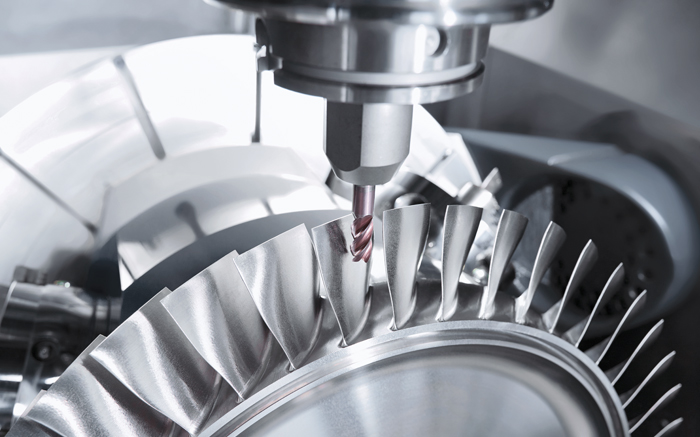
The Bottleneck of Traditional Machining
To understand the time-saving power of a 5-axis machine, it is essential to look at the limitations of traditional **aerospace CNC milling**. Standard 3-axis machines operate on the X, Y, and Z axes. If an aerospace component has features on multiple sides—such as a structural bracket with angled holes, undercuts, or deep pockets—the machinist must manually stop the machine, remove the part, clean the chips, load it into a new fixture at a different angle, and recalibrate the machine before cutting can resume. For highly intricate parts, this process might require five, six, or even seven different setups. Each setup introduces significant bottlenecks:- Fixture Fabrication: Custom workholding fixtures must be designed and milled for each angle.
- Downtime: The machine spindle stops spinning every time a part is flipped.
- Human Error: Every manual handling step increases the risk of misalignment, potentially scrapping a valuable block of aerospace-grade titanium or aluminum.